Moontae Lee [이문태]

A researcher and builder of AI that learns from expertise and experience.
Thinking deeply. Imagining freely. Building boldly. Still hands-on

THE THROUGHLINE

Philosophy

Superintelligence
Human Augmentation

My vision is to build superintelligence grounded in the real world: learning from expert experience in high-stakes industries, scaling those capabilities across vertical domains, and then augmenting human expertise.

My focus is to make domain problems measurable: combining human evaluation, model-based judges, and test-time scaling to elicit tacit knowledge and turn it into actionable learning signals. These signals shape simulated worlds—RL environments for professional workflows that connect expert feedback to agent training and deployment while providing users with a clearer basis for oversight. Eventually, deployed systems recursively self-improve by refining their evaluators and harnesses.

THE PATH

Impacts

2025 — present

LG AI Research

Vice President · Head of Superintelligence Lab

Frontier AI leadership · Lead two teams of ~30 researchers and engineers

  • EXAONE Foundry · Scaling AI capabilities across professional domains
    • Ministry of Food and Drug Safety (MFDS) · Deployed 32B model matching 2–3T models
    • National Pension Service (NPS) · Codex CLI–comparable via workflow prediction & refinement
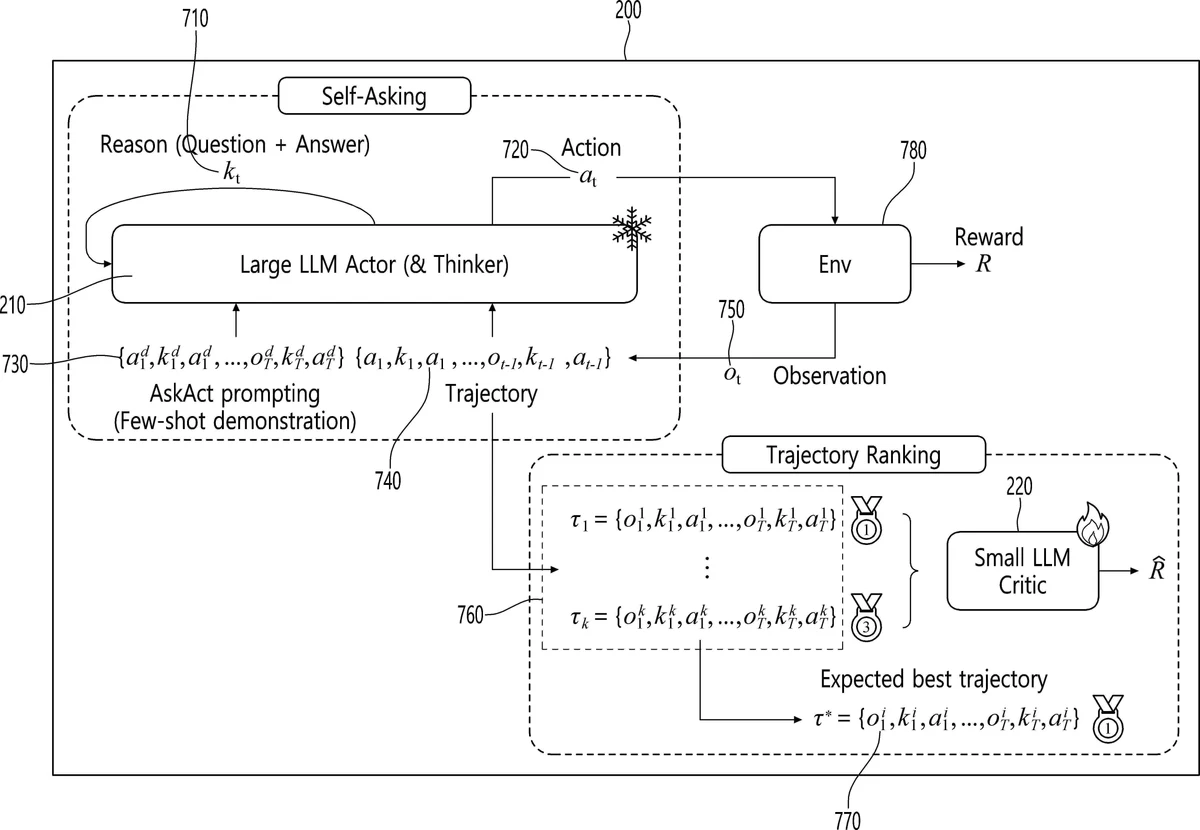
  • Project ATLAS · Multi-condition, multi-hop, multimodal agentic search
    • USPTO patent search, review, and dispute support - Close-beta underway
    • 38.5% less search time · 4.5% higher performance vs Codex
  • Sovereign AI competitions · Post-training for legal, financial, and scientific agentic tasks
    • EXAONE 5.0 (30B MoE) · K-EXAONE 3.0 (750B MoE)
    • Earlier milestones · Notable AI recognition; K-EXAONE 1.0 ranked #1 in Korea
2023 — 2024

LG AI Research

Research Fellow · Head of Advanced Machine Learning Lab

Research-to-production leadership · Led three labs of ~90 researchers and engineers

  • EXAONE 2.0–3.5 (8B–32B) · First LLM-based RAG development in early 2022
  • EXACODE (8B–32B) · Continual pretraining · Domain-specific coding agent deployed at LG Electronics
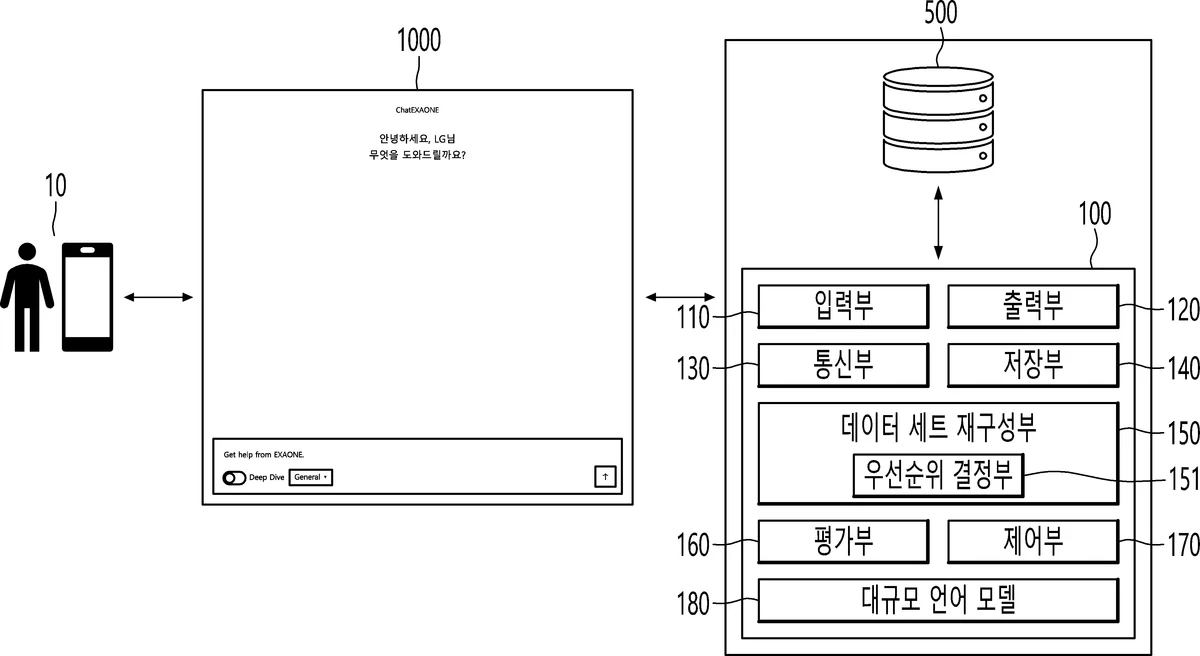
  • ChatEXAONE · Prototype development · Later deployed across 12+ LG affiliates · Serving 60K+ users
2021 — 2022

LG AI Research

Head of Fundamental Research Lab

Global research leadership · Led three international teams of ~40 researchers and engineers

  • Research hubs · Connected Toronto, Ann Arbor, and Seoul offices
  • AI4Science · Established research programs in molecular modeling and drug discovery
  • EXAONE 1.0 (175B–300B) · Foundational contributions to pre-training & post-training
2019 — 2021

Microsoft Research Redmond

Visiting Scholar → Research Scientist · Deep Learning Group

  • Universal language modeling · Concept-based language modeling
  • Machine reasoning · Tensor-product modeling
  • Large-scale training · MT-DNN (340M), T5 (11B)
2018 — present

University of Illinois Chicago

Assistant Professor · Information and Decision Sciences

  • Information Monopoly · Counterfactual Evaluation
  • Ranking & Helpfulness · Causal Inference
  • Safety & Society · Misinformation, Monetary Policy Uncertainty (w/ World Bank)
THE FOUNDATION

Education

2012 — 2018

Cornell University

PhD · Computer Science

Advised by David Mimno and David Bindel.

2009 — 2012

Stanford University

MS · Computer Science

Advised by Scott Klemmer and Daphne Koller.

2001 — 2006

Sogang University

BS · Computer Science / BS · Mathematics / BA · Psychology

Three disciplines; one enduring curiosity about minds, structure, and computation.

THE MILESTONES

Honors

THE CLASSROOM

Teaching

University of Illinois Chicago

Main Instructor

  • IDS594Machine Learning Applications with Python
  • IDS576Deep Learning and Modern Applications
  • IDS575Machine Learning and Statistical Methods
  • IDS566Advanced Text Analytics

Cornell University

Teaching Assistant

  • INFO5306Crowdsourcing and Human Computation
  • INFO3300Data-driven Web Applications
  • CS4780Machine Learning
  • CS4740Natural Language Processing

Stanford University

Teaching Assistant

  • CS261Optimization and Algorithmic Paradigms
  • CS161Design and Analysis of Algorithms
THE COMMUNITY

Service

NeurIPSNeural Information Processing Systems
Area Chair
ICMLInternational Conference on Machine Learning
Area Chair
ICLRInternational Conference on Learning Representations
Area Chair
ACLAssociation for Computational Linguistics
Area Chair
EMNLPEmpirical Methods in Natural Language Processing
Area Chair
NAACLNorth American Chapter of the Association for Computational Linguistics
Area Chair
AAAIAssociation for the Advancement of Artificial Intelligence
Senior Program Committee
COLMConference on Language Models
Area Chair
THE ROAD

Travels

DATESDESTINATIONEVENT
Feb 192027Ann Arbor, USAUniversity of MichiganUpcoming
Dec 6–122026Sydney, AustraliaNeurIPS 2026Upcoming
Aug 122026Jeju, South KoreaKDD 2026 keynote
Jul 112026Seoul, South KoreaICML 2026 AI for Science workshop panel
Jun 42026Boulder, USAUniversity of Colorado Boulder seminar
Jun 3–72026Denver, USACVPR 2026
Apr 242026Chicago, USAUniversity of Illinois Chicago seminar
Nov 292025Beijing, ChinaTsinghua University lecture
Oct 242025Stony Brook, USAUnsettling Intelligences symposium
Jul 152025Vancouver, CanadaUBC CAIDA & TrustML workshop
Jul 13–192025Vancouver, CanadaICML 2025
Apr 92025Las Vegas, USAGoogle Cloud Next ’25 panel
Mar 142025New York City, USACornell Tech seminar
Mar 132025Stony Brook, USAStony Brook University talk
Mar 122025New York City, USAGuggenheim talk

Patents

20 inventions with public patent records

First priority to latest public record Grant Application publication

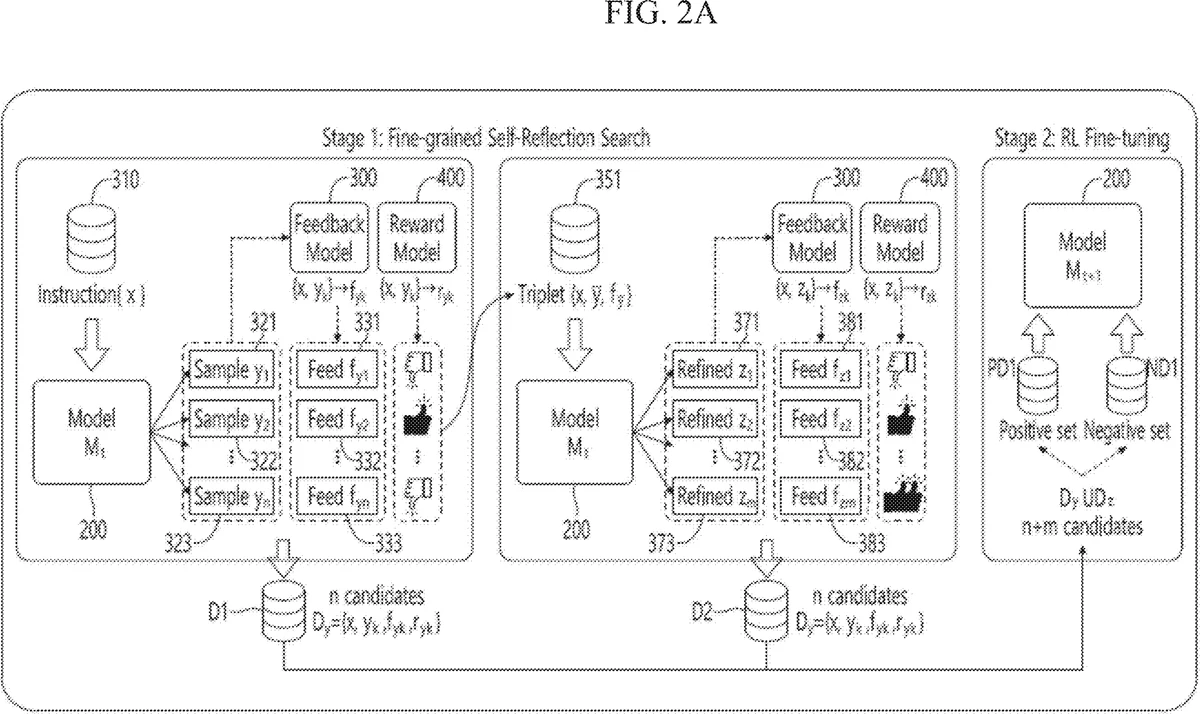
  1. Stepwise reasoning for answer generation, first priority May 9, 2025, latest application publication Nov 17, 2026
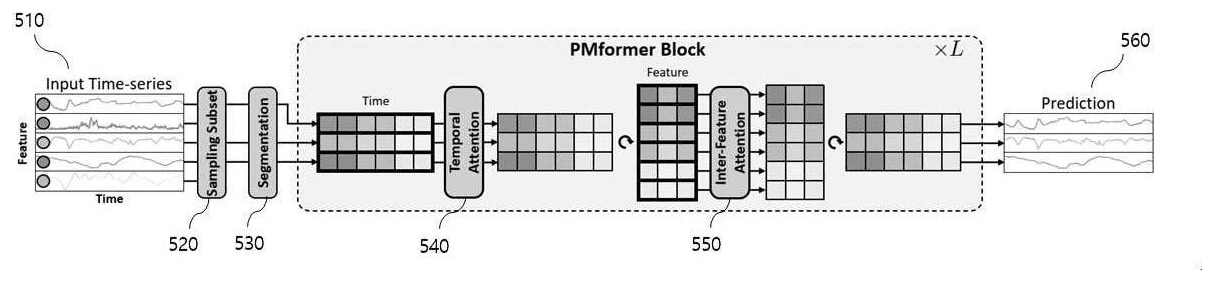
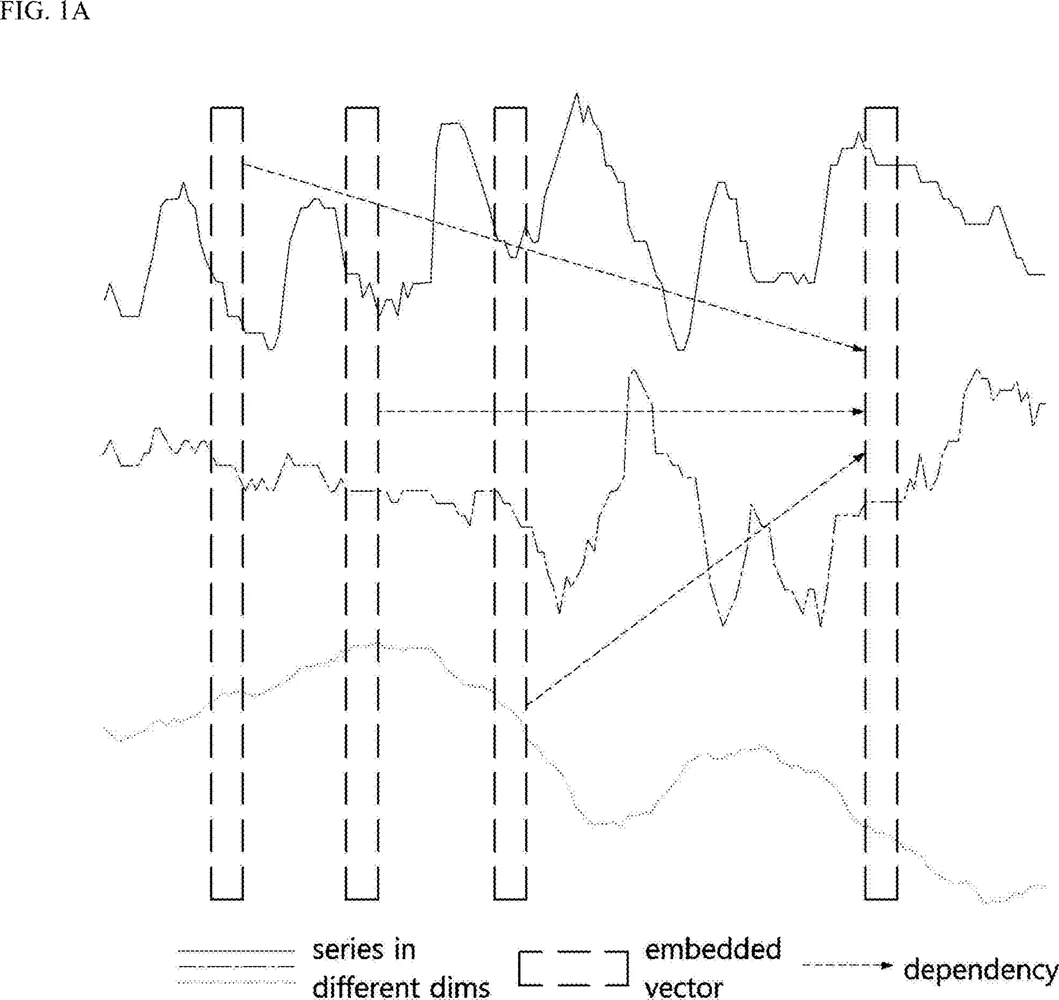
  2. Attention across time and features, first priority May 7, 2025, latest application publication Nov 16, 2026
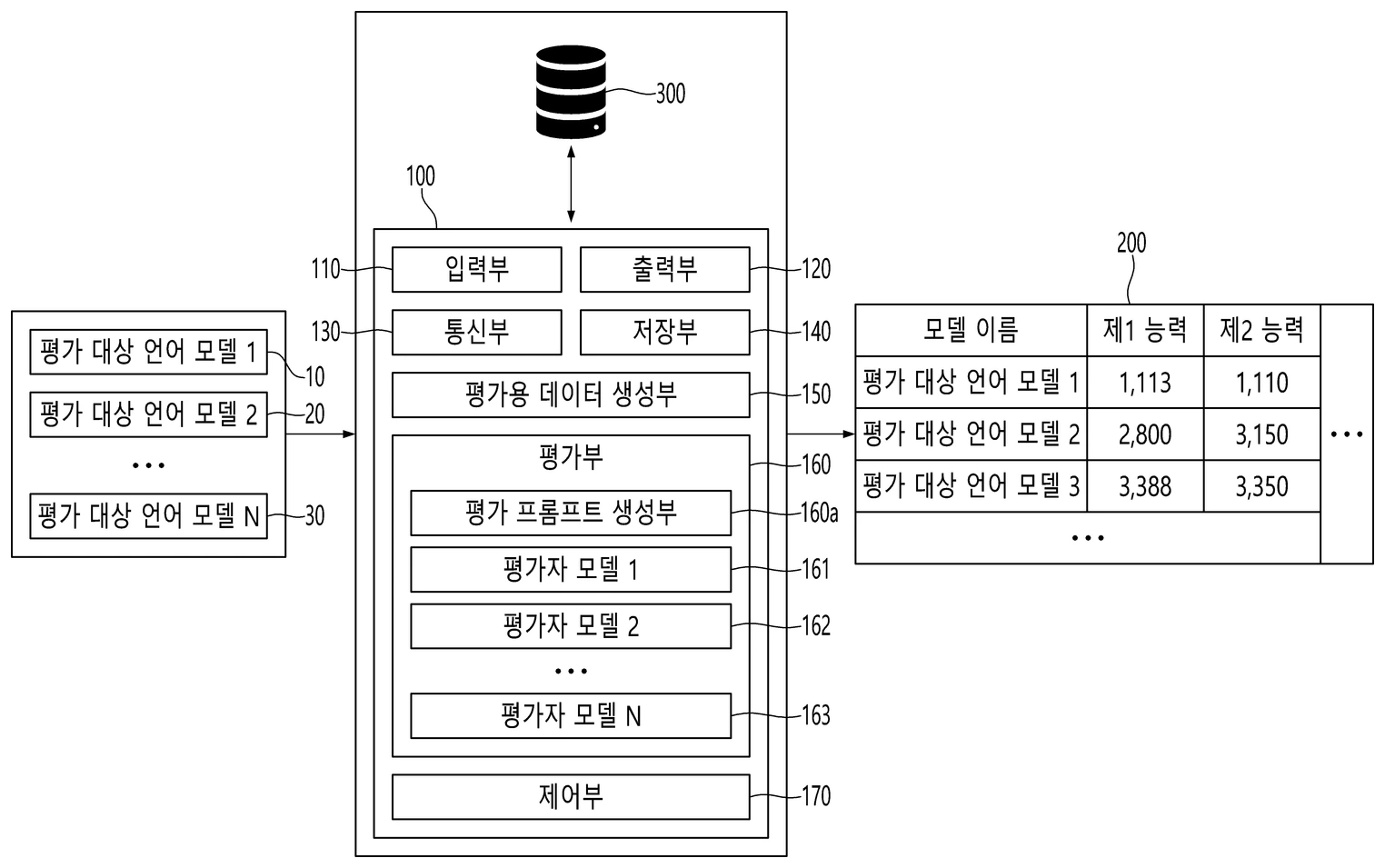
  3. Language model evaluation by instance, first priority Apr 29, 2025, latest application publication Nov 5, 2026
  4. Irregularly sampled sequence prediction, first priority Dec 9, 2024, latest application publication Jun 16, 2026
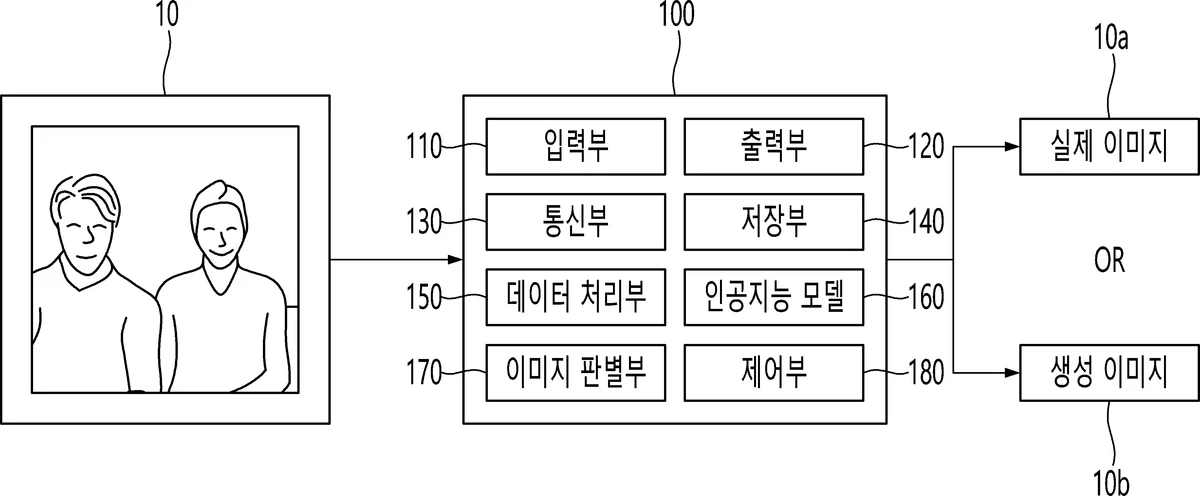
  5. AI-generated image detection, first priority Nov 21, 2024, latest application publication Aug 27, 2026
  6. Multi-model inference agent, first priority Nov 21, 2024, latest grant publication Nov 9, 2026
  7. Language model safety optimization, first priority Aug 29, 2024, latest grant registration Nov 13, 2026
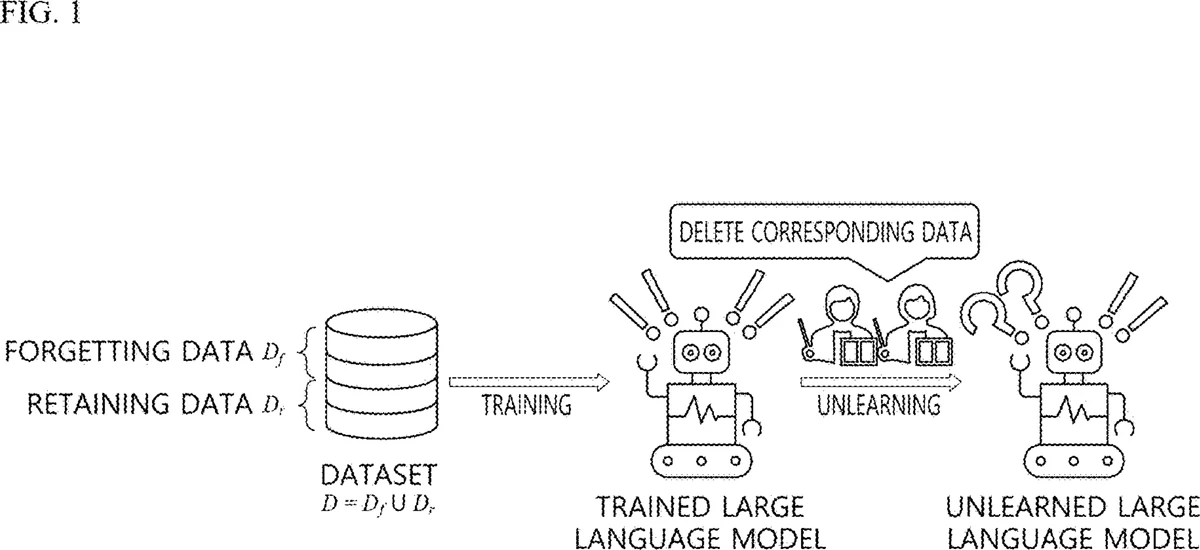
  8. Large language model unlearning, first priority Aug 29, 2024, latest application publication Jul 2, 2026
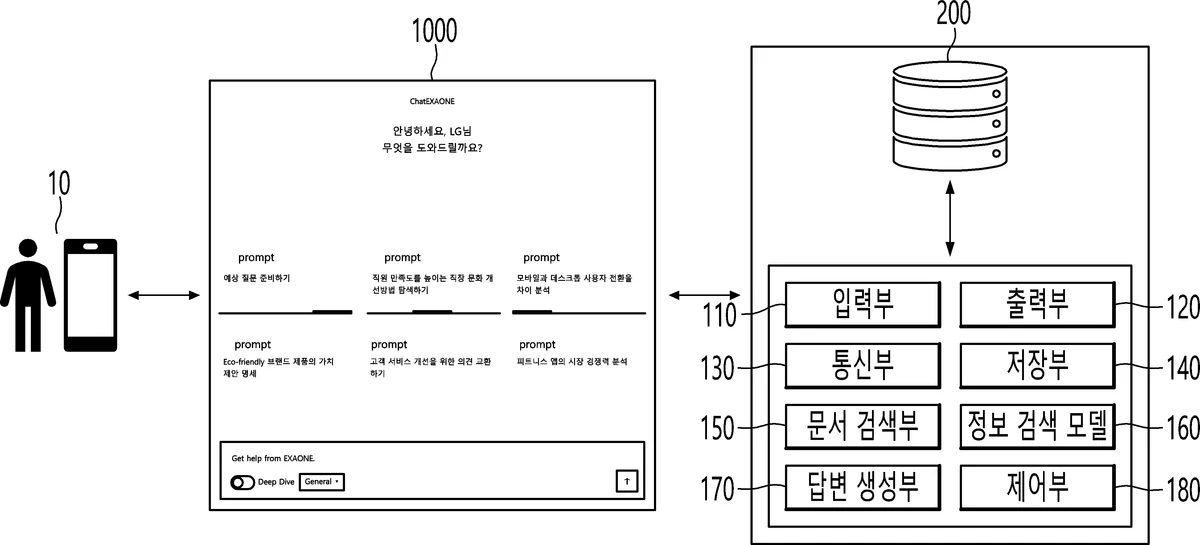
  9. Retrieval-based answer generation, first priority Jun 25, 2024, latest application publication Oct 8, 2026
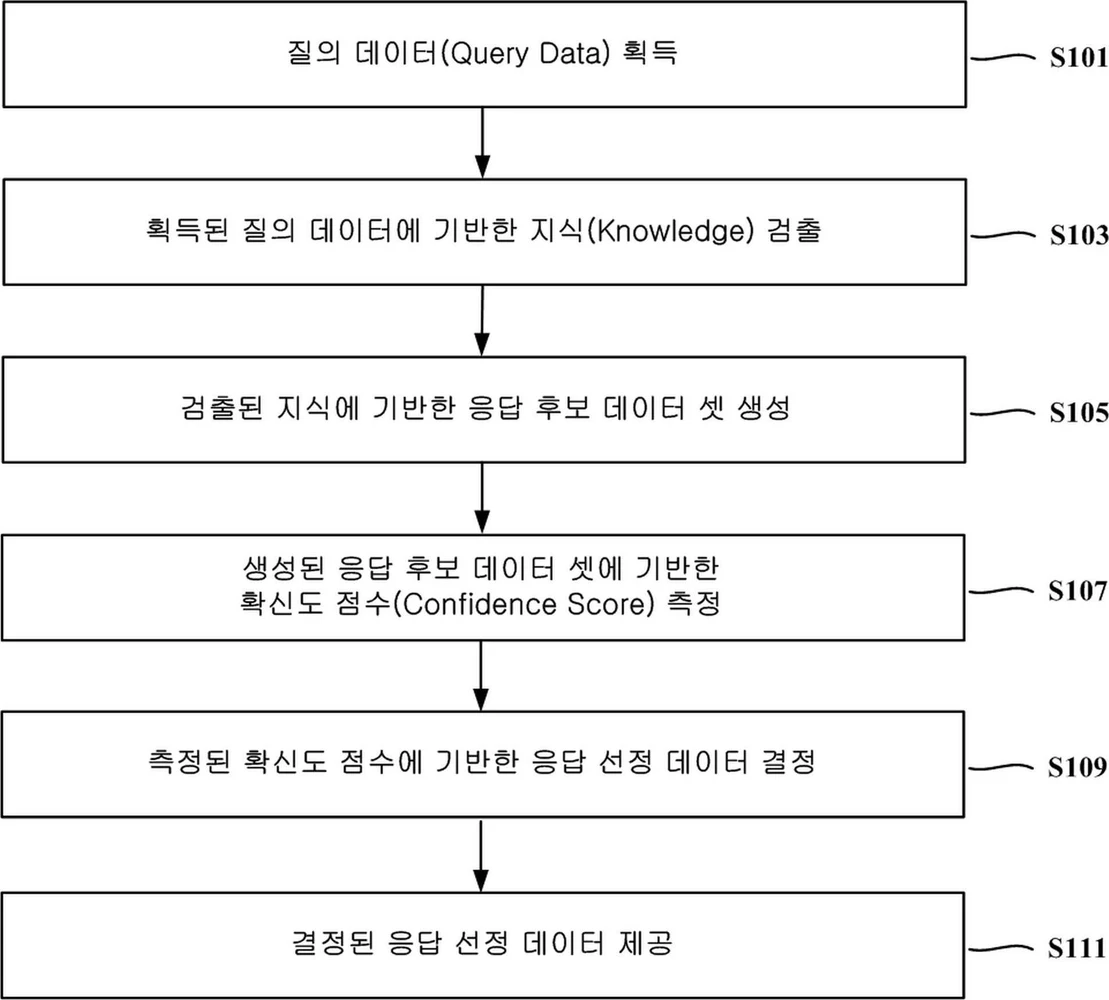
  10. Question answering with selective knowledge, first priority May 24, 2024, latest application publication Dec 2, 2025
  11. Language model training without degeneration, first priority May 8, 2024, latest application publication Jul 9, 2026
  12. Learning 3D molecular geometry, first priority Mar 22, 2024, latest application publication Mar 26, 2026
  13. Language model alignment, first priority Mar 15, 2024, latest application publication Jun 4, 2026
  14. Time-series forecasting, first priority Feb 14, 2024, latest application publication Jul 2, 2026
  15. Specialized document sharing, first priority Nov 7, 2023, latest application publication May 19, 2025
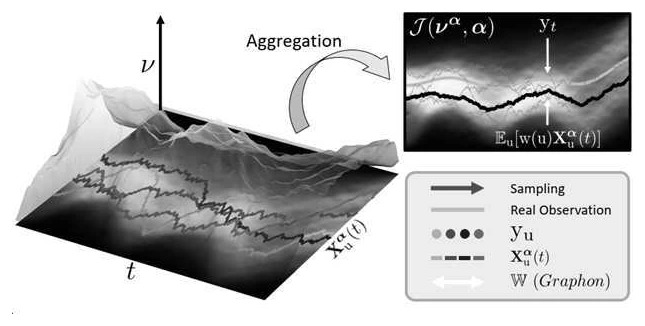
  16. Game-theoretic continuous-time prediction, first priority Jun 8, 2023, latest application publication Dec 17, 2024
  17. Evidence-grounded response agent, first priority May 4, 2023, latest application publication Jun 2, 2026
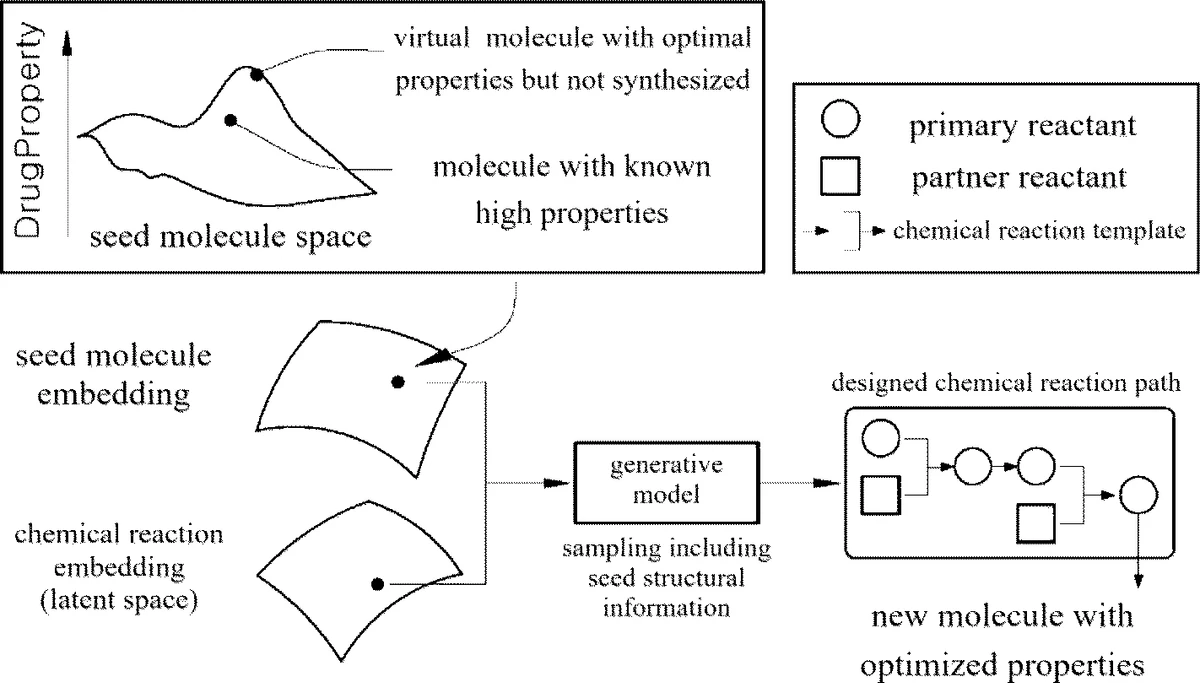
  18. Synthesizable molecule generation, first priority May 19, 2022, latest application publication Mar 6, 2025
  19. Hierarchical graph pooling, first priority May 17, 2022, latest application publication Sep 5, 2025
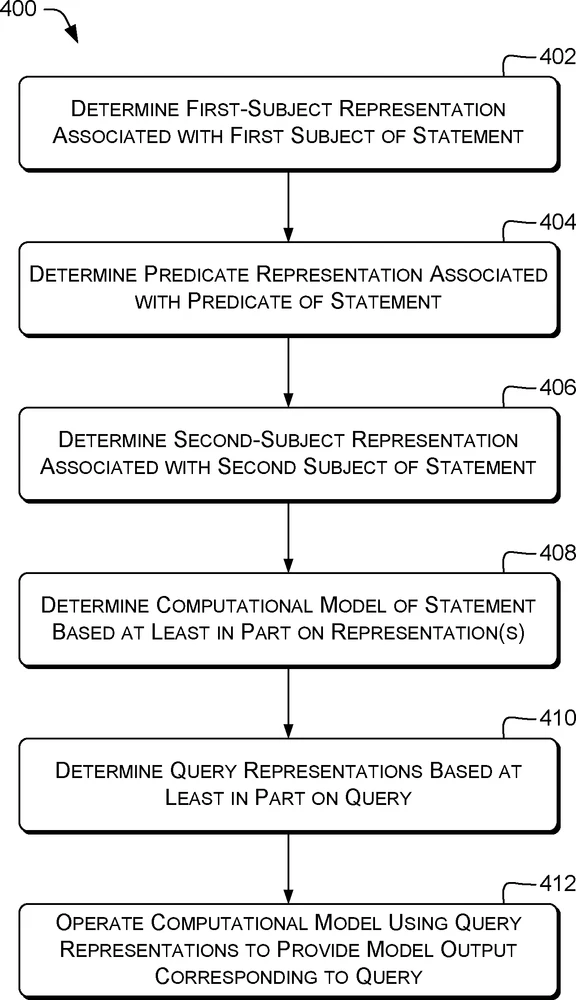
  20. Multiple subject representations, first priority Mar 29, 2016, latest grant publication Mar 17, 2020